The Itinerary Trap: When More Stops Mean Less of a Place
A crowded itinerary can leave little time to notice where you are. Learn to judge each stop by the attention and unhurried time it receives.
How many stops belong in an itinerary? The answer depends on what each visit asks of you: a short look at a landmark and a long museum visit do not occupy a day in the same way. A crowded itinerary can also make every place feel like a corridor between the next two destinations.
Instead of counting attractions, consider the kind of day you want: a focused visit to one site, a themed route through several places, or a mix of planned visits and time spent moving through a neighbourhood. The right shape depends on your interests, the distances involved and how much variety you enjoy.
What kind of day are you planning?
A themed route links places through a shared interest, such as architecture, food or local history. It can make several stops feel connected rather than like unrelated items on a list. A neighbourhood day, by contrast, keeps the focus on one area and may include a mix of planned activities and ordinary errands such as choosing lunch or browsing a bookshop.
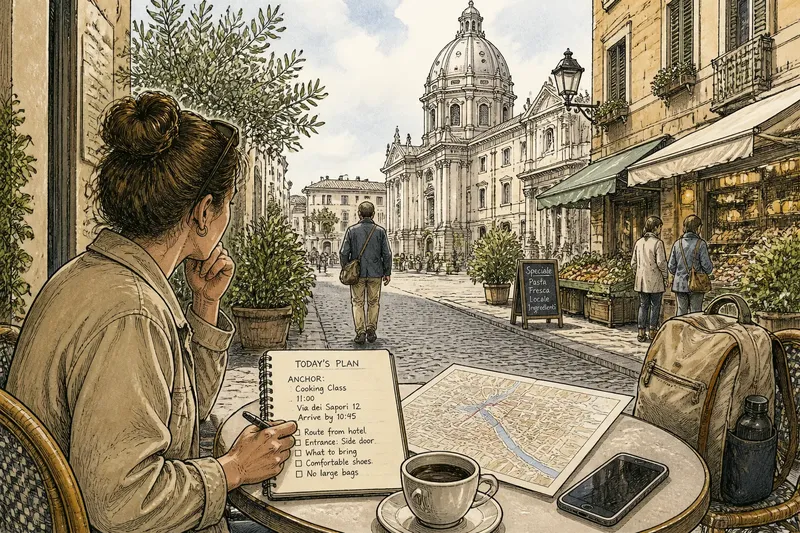
A day built around a particular event or appointment has a different shape again. If you are attending a performance, joining a guided tour or catching a ferry, the fixed timing affects what can sensibly fit around it. Start with the nature of the day, then decide how many additional visits suit it.
How do you compare stops fairly?
For each place, consider the full visit rather than the time spent looking at the main attraction. Include getting there, finding the entrance, orienting yourself, taking a break and leaving. A map can help compare routes, but it cannot tell you whether a visit will hold your attention for a quick glance or a longer stay.
It also helps to name what you hope to do there. “Visit the museum” is less specific than “look at the local boat-building display”. That purpose clarifies what you would consider a satisfying visit and makes it easier to decide whether the stop merits a place in the day.
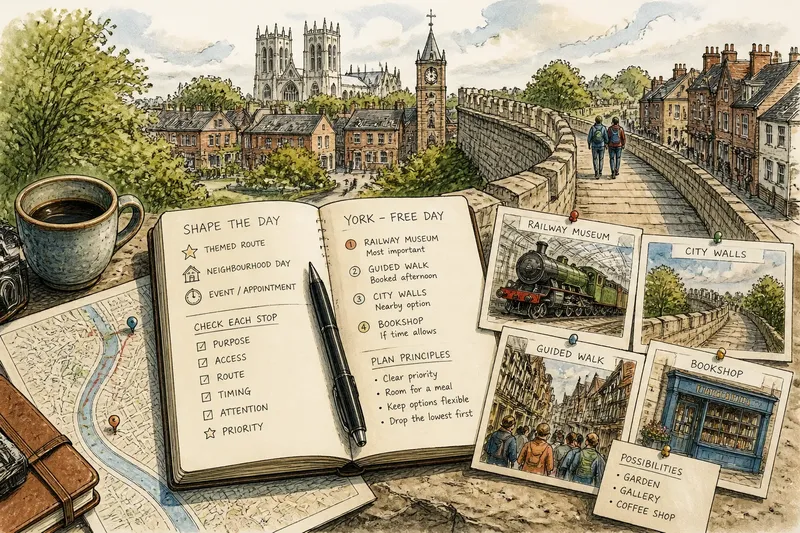
Say you have a free day in York and have noted the city walls, the railway museum, a bookshop and a guided walk through the old streets. Imagine that the walk is booked for the afternoon and the railway museum matters most to you. First, check the walk’s meeting point and finish, then identify how the museum fits before or after it; next, decide whether the walls and bookshop are nearby enough to add without displacing a meal or the visit you care about. If the museum and walk already make a full day for your preferred pace, keep the other pins as possibilities rather than fixed appointments. The resulting plan has a clear priority, while the remaining choices depend on how the day actually unfolds.
What should you check before keeping a stop?
- Purpose: Can you name what you want to see or do? If yes, keep it as a candidate; if not, remove it or leave it as a passing possibility.
- Access: Do the opening arrangements and entry requirements suit your day? If they do, retain the visit; if not, check another time or choose a different place.
- Route: Does the stop fit the area you will already be in? If yes, compare it with nearby options; if not, keep it only if the extra travel is worthwhile to you.
- Timing: Does it depend on a particular hour, booking or daylight? If yes, place it around that constraint; if not, treat it as more flexible.
- Attention: Would a brief visit satisfy your purpose? If yes, allow for a concise look; if not, reserve enough of the day or choose another occasion.
- Priority: Would you choose this over another stop if time became tight? If yes, keep it higher on the list; if not, mark it as the first alternative to drop.
How many stops make sense for your travel style?
There is no useful universal count. Someone who enjoys seeing several distinct places may prefer a varied route; someone who likes lingering over exhibits or eating slowly may choose fewer. Your own pace can also change with the trip: after a long journey, a nearby walk may be more appealing than a day of transfers and timed entries.
Use the itinerary’s constraints to make the decision. Check distances, opening arrangements, booking times and the kinds of breaks you will want. Then compare the planned visits with your usual pace, rather than assuming that every gap on the calendar needs to be filled.
What questions help you shape a day?
How much travel sits between these places?
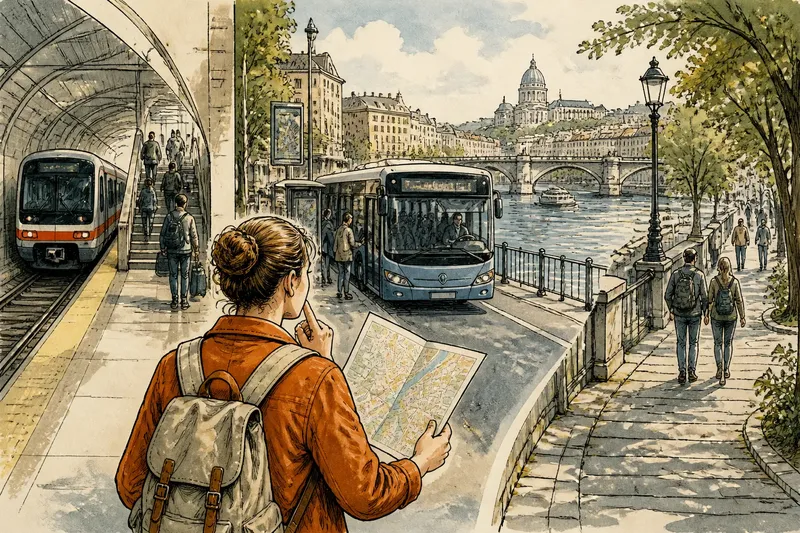
Check the route between entrances, not just the distance between map pins. If the journey is awkward or crosses the city, group nearby places together or remove one of the outlying stops.
Which visit depends on a fixed time?
Mark bookings, performances and transport departures before arranging flexible activities around them. If two fixed commitments leave too little room for the visits you want, move one to another day or let a flexible stop go.
What would make each visit feel worthwhile?
Name a specific feature, activity or experience rather than relying on the place’s reputation. If a short visit can deliver that, keep it brief; if it needs more attention, make room or reconsider its place in the plan.
Which stop would you drop first?
Choose a low-priority alternative before the day begins. If delays or tiredness narrow the available time, drop that stop rather than shortening every visit.
How can you keep the plan adaptable?
Separate commitments from possibilities. A booked tour or a train departure may dictate timing, while a nearby shop or garden can remain an option. This is different from building the whole day around one defining attraction: the aim is simply to recognise which plans can move and which cannot.
Keep optional places saved in a map or note, grouped by area. Add practical details such as opening times or a booking link where relevant, but avoid giving every idea a precise slot. That makes it easier to choose something nearby when the opportunity suits, without turning every free moment into another obligation.
It is not worth the effort to calculate an exact minute-by-minute duration for each attraction. Queues, weather, energy and closures can change the shape of a day. A rough idea of each visit’s demands and a decision about what can be dropped are more useful than a timetable with no room to respond.
When you search for how many stops belong in an itinerary, treat the number as a result of the day’s purpose, route and constraints—not as a target to hit. A well-shaped plan gives you enough structure to reach the places you care about and enough flexibility to respond when one visit takes a different turn than expected.